

Ranking on Google today requires more than writing quality content. Your website also needs a strong technical foundation that allows search engines to discover, understand, and rank every important page. This is where technical seo becomes essential. It improves your site’s backend performance so both users and search engines enjoy a better experience. Whether you own a business website, an online store, or a blog, investing in a technical seo audit, following a proven technical seo checklist, and improving your website’s technical health can increase visibility and organic traffic. Many businesses also rely on technical seo services, a technical seo consultant, or a professional technical seo agency to solve complex website issues and maintain long-term SEO success.
Introduction to Technical SEO
Modern websites compete in highly competitive search results. Publishing useful content is important, yet content alone cannot deliver consistent rankings if search engines struggle to access your pages. Technical SEO focuses on improving your website’s backend so Googlebot can efficiently crawl, render, and understand your content. Strong Website Crawlability, clean Website Architecture, and better Search Engine Indexing create a solid SEO foundation that supports every marketing effort.
A professional seo technical audit helps identify hidden issues before they damage your rankings. Broken pages, poor Page Speed, weak Internal Linking, and missing XML Sitemap files reduce your site’s visibility. By improving these technical elements, you also strengthen Search Engine Optimization, improve Website Performance, and create a better experience for visitors across every device.
What Is Technical SEO?
Technical SEO is the process of optimizing your website’s technical structure so Search Engine Crawlers can easily crawl, render, and index your pages. Unlike content optimization, technical improvements happen behind the scenes. They include optimizing Robots.txt, improving Indexability, fixing Canonical Tags, reducing Duplicate Content, and creating an organized URL Structure. These improvements help search engines understand your website faster and more accurately.
Why Technical SEO Matters for SEO Success
Imagine building a beautiful house on a weak foundation. No matter how attractive it looks, problems eventually appear. The same idea applies to SEO. Without proper Technical Website Optimization, even the best content struggles to rank. A complete technical seo audit service identifies performance problems early and improves Search Visibility, Organic Rankings, and overall website reliability. Businesses that regularly monitor technical health usually recover faster from algorithm updates and maintain stable rankings.
Technical SEO vs On-Page SEO vs Off-Page SEO
Each SEO category serves a different purpose. Technical SEO improves your website’s infrastructure. On-page SEO optimizes your content, headings, keywords, and metadata. Off-page SEO builds authority through backlinks and brand mentions. When these three strategies work together, they create a complete SEO system that helps websites compete successfully in Google’s search results.
| SEO Type | Main Focus | Primary Goal |
| Technical SEO | Website infrastructure | Improve crawling, indexing, and performance |
| On-Page SEO | Content optimization | Increase relevance and user satisfaction |
| Off-Page SEO | Authority building | Improve trust and domain reputation |
How Search Engines Work
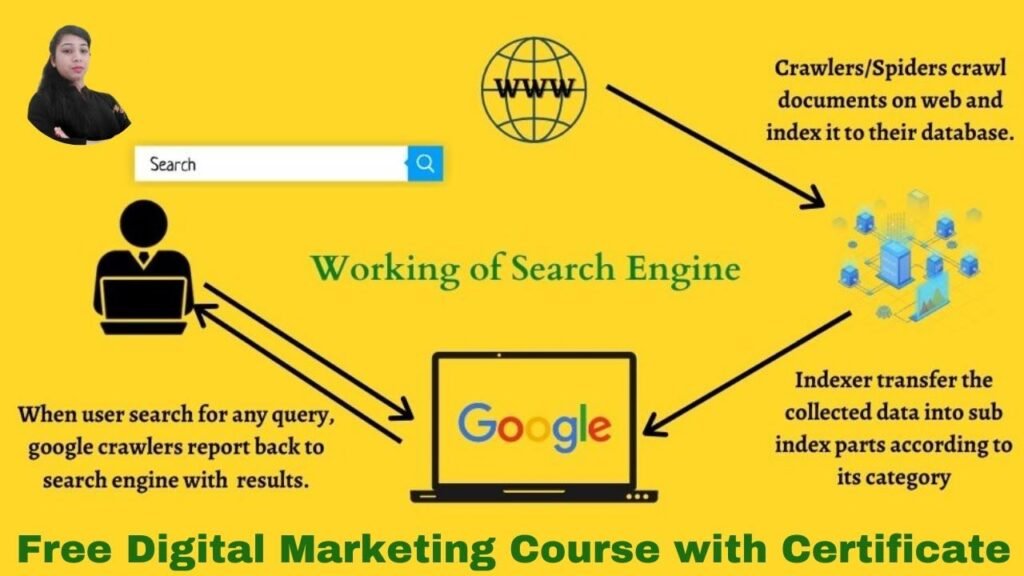
Search engines follow a structured process before displaying any webpage in search results. They first discover a page, analyze its content, store the information, and finally decide where it should rank. Understanding this process helps you make better SEO decisions because every optimization directly supports Google’s ability to evaluate your website. A well-planned Technical SEO Checklist improves Crawl Efficiency, reduces Indexing Issues, and increases long-term visibility.
Google continuously updates its systems to deliver the most relevant results. Modern algorithms analyze Search Intent, User Experience Signals, website quality, and technical performance together. Websites with strong Website Infrastructure, better Website Loading Speed, and accurate Structured Information usually perform better because they provide search engines with clear signals about their content and purpose.
How Google Crawls Websites
Google uses automated programs called Googlebot to discover new pages by following links and reading your XML Sitemap. Good Website Crawlability, clean navigation, and logical Internal Linking allow search engines to find important content quickly while reducing unnecessary crawling.
How Google Renders Web Pages
After crawling a page, Google processes its HTML, CSS, and JavaScript to understand the final layout shown to users. Proper Website Rendering, optimized JavaScript SEO, and fast loading resources help search engines read dynamic content correctly and improve Content Discoverability.
How Google Indexes Content
Google stores valuable pages inside its search database after analyzing their quality and relevance. Strong Indexability, optimized Canonical Tags, and high-quality content reduce Indexing Issues while increasing the chances of appearing in relevant search results.
Understanding Google Ranking Signals
Google evaluates hundreds of signals before ranking a webpage. Core Web Vitals, Website Security, HTTPS, Structured Data, Schema Markup, and overall user experience all contribute to better rankings. Websites that maintain strong technical health build greater trust with both users and search engines.
Website Crawlability Optimization
A website that search engines cannot access will never achieve its full ranking potential. Technical SEO begins with improving Website Crawlability because Google must discover every important page before it can appear in search results. A complete technical seo audit helps identify blocked pages, broken navigation, and poor crawl paths that reduce Search Visibility. Businesses that regularly invest in technical seo audit services build stronger websites and improve long-term SEO performance.
Better crawlability also saves Google’s resources by guiding Search Engine Crawlers toward valuable pages instead of low-priority URLs. An optimized website with clean navigation, proper Website Architecture, and organized content creates a smooth experience for both users and search engines. This improves Crawl Efficiency while supporting higher Organic Rankings.
What Is Crawlability?
Website Crawlability measures how easily Googlebot can discover and access your website. Pages hidden behind broken links, blocked directories, or poor navigation often remain invisible to search engines even when they contain valuable content.
Optimizing Robots.txt
The Robots.txt file tells search engines which areas they can crawl and which sections should remain private. Incorrect settings may accidentally block important pages, making regular reviews an essential part of every seo technical audit.
XML Sitemap Best Practices
An updated XML Sitemap helps search engines discover new pages faster. Include only important URLs, remove broken pages, and submit your sitemap through Google Search Console for quicker Search Engine Indexing.
Managing Crawl Budget
Large websites must manage Crawl Budget carefully because Google allocates limited crawling resources. Removing unnecessary URLs and improving Internal Linking helps search engines spend more time on valuable content.
Fixing Crawl Errors
Broken links, server errors, and missing pages create Crawl Errors that reduce crawling efficiency. Monitoring reports inside Google Search Console allows you to fix these issues before they affect rankings.
Improving Website Indexability
Finding a page does not guarantee that Google will store it in its database. Technical SEO also focuses on improving Indexability so valuable pages become eligible to appear in search results. A professional technical seo consultant often reviews indexing reports to identify hidden problems affecting website growth.
Strong indexing depends on clean technical signals. Correct Canonical Tags, optimized metadata, and high-quality content help search engines understand which version of a page should rank. This process reduces confusion and improves overall Search Engine Optimization.
What Is Indexability?
Indexability refers to Google’s ability to save your pages inside its search database. Pages blocked by technical issues cannot compete for rankings regardless of content quality.
Using Meta Robots Tags Correctly
Meta robots tags control whether pages should be indexed or followed. Incorrect settings frequently create serious Indexing Issues, making routine monitoring essential.
Canonical Tags Explained
Canonical Tags identify the preferred version of similar pages. They prevent duplicate indexing while preserving ranking signals across your website.
Preventing Duplicate Content
Duplicate Content weakens SEO because search engines struggle to determine which page deserves higher visibility. Creating unique content and using proper canonical tags solves this issue.
Solving Indexing Issues
Regular inspections inside Google Search Console, combined with a detailed Technical SEO Audit, help identify blocked pages, missing canonicals, and indexing errors before they impact traffic.
Core Web Vitals and Website Speed
Website speed directly influences user satisfaction and Google rankings. Modern Google Ranking Factors heavily consider loading speed because visitors expect websites to respond almost instantly. Improving Core Web Vitals increases engagement while reducing bounce rates.
Fast websites also improve conversions. Compressing images, reducing unnecessary scripts, improving Website Loading Speed, and monitoring performance through Google PageSpeed Insights, Google Lighthouse, and GTmetrix create measurable SEO improvements.
| Core Web Vital | Recommended Target | Why It Matters |
| LCP | Under 2.5 Seconds | Faster page loading |
| INP | Under 200 ms | Better interaction speed |
| CLS | Below 0.1 | Stable page layout |
What Are Core Web Vitals?
Core Web Vitals measure loading speed, visual stability, and responsiveness. These metrics reflect real user experience and influence search rankings.
Improving Largest Contentful Paint (LCP)
Reducing image sizes, using faster hosting, and enabling caching improve LCP while enhancing Website Performance.
Reducing Interaction to Next Paint (INP)
Optimized JavaScript and faster server responses reduce delays, creating smoother page interactions for visitors.
Minimizing Cumulative Layout Shift (CLS)
Reserve space for images, ads, and videos to prevent unexpected movement during page loading.
Page Speed Optimization Techniques
Modern image formats, browser caching, content delivery networks, and code optimization significantly improve page speed and user satisfaction.
Technical SEO Checklist
Following a consistent Technical SEO Checklist keeps your website healthy and prevents small technical problems from becoming major ranking issues. Many businesses purchase technical seo services or hire a technical seo agency to perform regular website maintenance because continuous optimization delivers better long-term results than one-time fixes.
| Task | Recommended Tool |
| Monitor Index Coverage | Google Search Console |
| Test Website Speed | Google PageSpeed Insights |
| Analyze Technical Errors | Screaming Frog |
| Run Complete Website Audit | Semrush Site Audit |
| Check Backlink Health | Ahrefs Site Audit |
| Monitor Performance | Google Lighthouse |
| Test Speed Reports | GTmetrix |
Conclusion
A successful website depends on much more than great content. Technical SEO creates the foundation that allows search engines to crawl, understand, and rank your pages efficiently. Regular technical seo audit, proper Website Security, optimized Structured Data, strong Schema Markup, and continuous monitoring ensure your website remains competitive as Google’s algorithms evolve.
Whether you manage SEO yourself or work with a technical seo agency, technical seo consultant, or professional technical seo audit service, maintaining strong technical health protects your rankings and supports sustainable organic growth. By following this guide and regularly improving your website, you can increase visibility, attract more qualified visitors, and build long-term success in Google Search.
FAQs
1. What is Technical SEO?
Technical SEO is the process of improving a website’s technical structure so search engines can crawl, render, understand, and index its pages efficiently. It includes crawlability, indexability, website speed, XML sitemaps, robots.txt, canonical tags, and website architecture.
2. Why is Technical SEO important for Google rankings?
Technical SEO creates a strong foundation for your website. If Google cannot properly access, understand, or index your pages, even high-quality content may struggle to rank. Improving technical health can support better search visibility, organic rankings, and website performance.
3. What is a Technical SEO Audit?
A Technical SEO Audit is a detailed review of a website to find technical issues that may affect crawling, indexing, speed, security, and rankings. Tools such as Google Search Console, Screaming Frog, Semrush Site Audit, and Google PageSpeed Insights can help identify these problems.
4. How can I improve website crawlability?
You can improve website crawlability by maintaining a clean website architecture, fixing broken links, creating an updated XML sitemap, using internal links effectively, and checking your robots.txt file. These steps help Googlebot discover important pages more efficiently.
5. What are Core Web Vitals in Technical SEO?
Core Web Vitals are metrics that measure important aspects of user experience, including loading performance, responsiveness, and visual stability. The main metrics are LCP, INP, and CLS. Improving these metrics can create a faster and more stable experience for website visitors.