
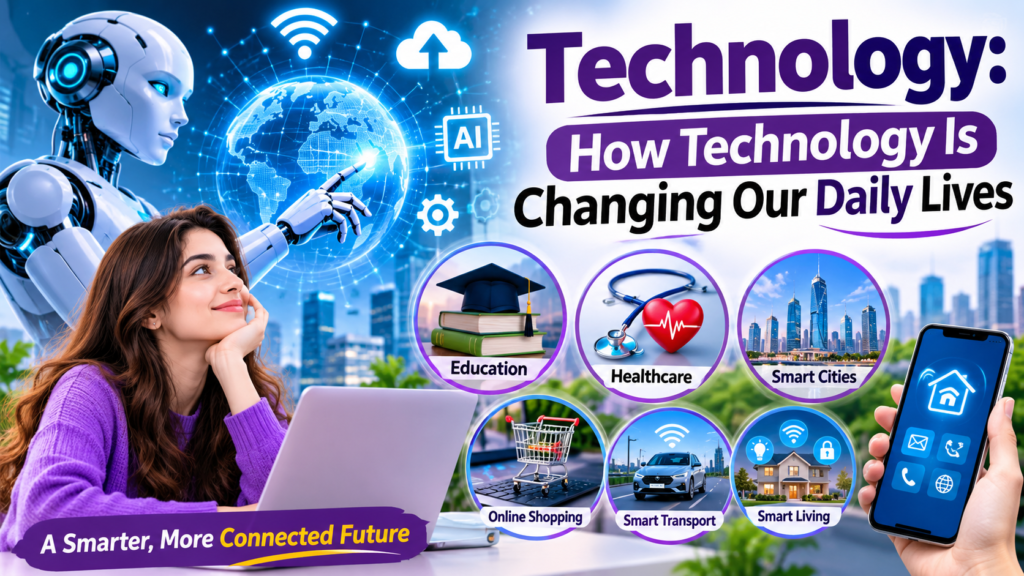
Introduction
Technology has become an essential part of modern life. From smartphones and computers to artificial intelligence and smart devices, technological advancements have changed how people communicate, work, learn, shop, and manage their daily activities. What once required hours of effort can now be completed within minutes using digital tools and online platforms.
Technology is no longer limited to large companies or professional workplaces. It is now part of almost every household, educational institution, healthcare facility, and business. People use technology to stay connected with family, access information, complete financial transactions, attend online classes, and find new career opportunities.
As technology continues to develop, its influence on society becomes stronger. Understanding how technology works, where it is used, and how it affects everyday life can help individuals make better decisions in an increasingly digital world.
What Is Technology?
Technology refers to the use of scientific knowledge, tools, systems, machines, and processes to solve problems and make human activities easier. It includes everything from simple household equipment to advanced computer systems, robotics, artificial intelligence, and communication networks.
The main purpose of technology is to improve efficiency, reduce manual effort, solve practical problems, and create new opportunities. For example, smartphones allow people to communicate instantly, while modern medical equipment helps doctors identify health conditions more accurately.
Technology is not limited to electronic devices. Transportation systems, agricultural machinery, construction equipment, and industrial processes are also examples of technological development.
Over time, technology has evolved from basic tools into complex digital systems that connect people and businesses across the world.
The Evolution of Technology
Technology has developed through different stages of human history. Early humans created basic tools to improve hunting, farming, building, and everyday survival. These inventions helped societies become more organized and productive.
The Industrial Revolution introduced machines that transformed manufacturing and transportation. Factories began using advanced equipment to produce goods faster than traditional manual methods. Steam engines, mechanical systems, and later electricity changed industries and created new employment opportunities.
The development of computers introduced another major transformation. Early computers were large machines primarily used by governments, research institutions, and major organizations. As computer technology became smaller and more affordable, personal computers became available to ordinary households and businesses.
The arrival of the internet changed communication and information sharing. People could access websites, send emails, communicate internationally, and conduct business online. Smartphones later combined internet access, communication, photography, navigation, and entertainment into a single portable device.
Today, artificial intelligence, cloud computing, automation, and smart technologies are shaping the next stage of digital development.
How Technology Is Changing Communication
Communication is one of the areas most affected by technological advancements. In the past, people depended on letters, landline telephones, and face-to-face meetings to exchange information. International communication could take several days or even weeks.
Today, smartphones and internet-based applications allow people to communicate instantly from almost anywhere. Messaging applications, video calls, social media platforms, and email services have made global communication faster and more convenient.
Businesses also benefit from these developments. Teams can collaborate remotely, communicate with international clients, share documents, and manage projects without being physically present in the same office.
Video conferencing has become particularly important for remote work and online education. Employees can attend meetings from different countries, while students can participate in virtual classrooms.
However, digital communication also creates challenges. Excessive screen time, online misinformation, privacy concerns, and reduced face-to-face interaction can affect personal and professional relationships. Using communication technology responsibly helps people enjoy its benefits while managing these risks.
The Role of Technology in Education
Education has changed significantly because of digital technology. Traditional classrooms are no longer the only places where students can access learning materials. Online courses, educational websites, digital libraries, and virtual classrooms have created new learning opportunities.
Students can now study subjects through recorded lectures, interactive exercises, educational videos, and online discussions. They can access information from universities, teachers, and educational institutions around the world.
Teachers also use technology to make lessons more engaging. Digital presentations, online assessments, learning management systems, and educational applications can support different learning styles.
Artificial intelligence is creating additional opportunities in education. AI-powered learning tools can explain difficult concepts, provide practice questions, and help students understand subjects at their own pace.
Despite these advantages, digital education still faces challenges. Not every student has reliable internet access or suitable devices. Some learners also find it difficult to maintain concentration during online classes.
Technology works best in education when it supports effective teaching rather than completely replacing human guidance and interaction.
How Technology Is Transforming Healthcare
Healthcare is another important sector where technology has created major improvements. Modern hospitals and medical facilities use advanced equipment to diagnose conditions, monitor patients, and support medical treatments.
Digital medical records help healthcare professionals organize patient information. Instead of depending entirely on paper documents, medical staff can access relevant records through secure digital systems.
Telemedicine has also made healthcare more accessible. Patients can communicate with doctors through video consultations, particularly when traveling to a hospital is difficult.
Artificial intelligence is being explored in medical imaging, research, patient monitoring, and clinical decision support. These systems can help healthcare professionals analyze information, although medical decisions still require qualified professional judgment.
Wearable devices and health applications allow individuals to monitor activities such as daily steps, heart rate, and sleep patterns. This information can encourage healthier habits and help users understand their general wellness.
However, healthcare technology must be supported by strong privacy protections. Medical information is highly sensitive, so healthcare organizations need secure systems to protect patient data.
The Impact of Technology on Businesses
Technology has changed how businesses operate, communicate with customers, manage employees, and sell products. Companies of different sizes use digital tools to improve productivity and reach new markets.
Small businesses can now create websites, establish online stores, promote services through social media, and communicate with international customers without opening physical offices in multiple locations.
Digital marketing has become an important part of business growth. Search engine optimization, social media marketing, email campaigns, and online advertising help businesses reach audiences interested in their products and services.
Cloud-based software allows employees to access files and applications from different locations. Project management tools help teams organize tasks, monitor progress, and manage deadlines.
Automation has also improved business operations. Companies can use software to manage invoices, organize customer information, process orders, and handle repetitive administrative activities.
For example, an online store can use automated systems to send order confirmations, update customers about deliveries, and organize inventory information.
Although technology can reduce operating costs and improve efficiency, businesses must invest in cybersecurity, staff training, and reliable digital systems to achieve long-term results.
Artificial Intelligence and the Future of Technology
Artificial intelligence, commonly known as AI, is one of the most influential developments in modern technology. It refers to computer systems designed to perform tasks that normally require human intelligence, such as understanding language, recognizing patterns, analyzing information, and generating content.
AI is already used in many everyday applications. Search engines use intelligent systems to improve search results, navigation applications suggest routes, and online shopping platforms recommend products based on customer interests.
Generative AI has introduced new ways to create written content, images, software code, presentations, and other digital materials. These tools can support professionals, students, researchers, and business owners.
Businesses are also exploring AI for customer support, data analysis, workflow automation, and decision-making assistance.
However, artificial intelligence has limitations. AI-generated information can sometimes be inaccurate, incomplete, or misleading. It may also create concerns about employment, data privacy, copyright, and the responsible use of automated systems.
The future of AI will depend on how effectively developers, governments, businesses, and users manage these challenges.
The Importance of Cybersecurity in the Digital World
As people and businesses become more dependent on technology, protecting digital information becomes increasingly important. Cybersecurity refers to the practices, technologies, and systems used to protect computers, networks, applications, and data from unauthorized access or digital attacks.
Cyber threats include phishing emails, malware, ransomware, identity theft, and unauthorized access to online accounts.
Individuals can improve their digital security by using strong and unique passwords, enabling two-factor authentication, updating software regularly, and avoiding suspicious links or attachments.
Businesses need more comprehensive security measures. These may include data encryption, employee awareness training, secure network configurations, access controls, and regular security assessments.
Cloud platforms and online services also require careful security management. Storing information digitally can improve accessibility, but organizations must ensure that sensitive data is protected.
Cybersecurity is not only a technical responsibility. Every person who uses the internet has a role in maintaining a safer digital environment.
Technology in Transportation and Smart Cities
Transportation systems have also experienced major technological improvements. Modern vehicles use digital navigation, safety sensors, electronic control systems, and communication technologies to improve driving experiences.
Navigation applications help drivers find routes, avoid traffic congestion, and estimate travel times. Online booking platforms make it easier to arrange transportation and track journeys.
Electric vehicles are becoming an important part of discussions about sustainable transportation. They use electric motors and rechargeable batteries instead of relying entirely on traditional fuel-powered engines.
Smart cities use connected technologies to improve public services and urban infrastructure. Digital traffic management systems, smart street lighting, environmental monitoring, and intelligent public transportation systems can help cities use resources more efficiently.
These developments may improve convenience and support better urban planning. However, smart city projects also need reliable infrastructure, public investment, cybersecurity, and responsible data management.
The Advantages of Modern Technology
Modern technology offers several important advantages across different areas of life.
One major benefit is convenience. People can complete everyday activities such as banking, shopping, communication, and learning through digital platforms.
Another advantage is improved productivity. Computers, automation tools, and specialized software help individuals and businesses complete tasks more efficiently.
Technology also provides greater access to information. Students, researchers, professionals, and ordinary internet users can explore educational resources and learn new skills from almost anywhere.
Global connectivity is another important benefit. Businesses can work with international customers, while individuals can communicate with people from different cultures and countries.
Technology also supports innovation. New digital tools create opportunities in healthcare, education, engineering, entertainment, scientific research, and many other industries.
When used responsibly, these benefits can improve quality of life and create opportunities for economic and social development.
Challenges and Disadvantages of Technology
Despite its advantages, technology also creates challenges that individuals and societies must understand.
One major concern is digital dependency. Spending too much time on smartphones, computers, and social media can affect concentration, sleep patterns, and personal relationships.
Privacy is another important issue. Online platforms collect different types of information, including browsing activity, location data, and personal preferences. Users should understand privacy settings and carefully consider what information they share.
Cybercrime is also increasing in complexity. Fraudsters use fake websites, misleading messages, and social engineering techniques to target individuals and businesses.
Automation may also change employment opportunities. Some repetitive tasks can be performed by software and machines, creating pressure on workers to develop new skills. At the same time, technological progress creates demand for professionals in areas such as software development, cybersecurity, data analysis, and AI.
The digital divide remains another challenge. People without reliable internet access, modern devices, or digital skills may struggle to benefit from technological progress.
Addressing these challenges requires education, responsible innovation, effective policies, and greater awareness of digital safety.
Future Trends in Technology
The future of technology is expected to bring further developments across different industries. Artificial intelligence will continue to influence software, business operations, healthcare, education, and communication.
Robotics may become more common in manufacturing, logistics, agriculture, and healthcare. Advanced machines can perform specific tasks with speed and precision, helping organizations improve operational efficiency.
The Internet of Things, often called IoT, connects physical devices to the internet so they can collect and exchange information. Smart home devices, connected vehicles, industrial sensors, and wearable technology are examples of this concept.
Virtual reality and augmented reality are also developing. These technologies can create interactive digital environments for gaming, professional training, education, product demonstrations, and design.
Cloud computing will remain important because it allows businesses and individuals to access computing resources without maintaining all the necessary physical infrastructure themselves.
Green technology is another important area of development. Renewable energy systems, energy-efficient devices, and improved battery technologies may support more sustainable ways of living and working.
Although the exact future of technology is difficult to predict, continued innovation will likely influence how people work, learn, communicate, and interact with the world.
How to Use Technology Responsibly
Responsible technology use begins with understanding both its benefits and limitations. Individuals should choose digital tools that support their personal, educational, and professional goals.
Maintaining a healthy balance between online and offline activities is important. Taking breaks from screens, protecting personal information, and checking the reliability of online content can improve the digital experience.
Parents and teachers can help children develop safe internet habits. Teaching young users about online privacy, cyberbullying, misleading information, and responsible communication can reduce digital risks.
Businesses should also establish clear technology policies. Employees need guidance on data protection, software usage, cybersecurity, and the responsible use of artificial intelligence.
Technology should support human abilities, creativity, and decision-making. It should not replace critical thinking or responsible judgment.
Conclusion
Technology has transformed modern society in ways that were difficult to imagine just a few decades ago. It has improved communication, expanded educational opportunities, supported healthcare, changed business operations, and introduced new possibilities through artificial intelligence and automation.
However, technological progress also brings challenges related to privacy, cybersecurity, employment, digital dependency, and unequal access. Understanding these issues is essential for using modern technology effectively.
The real value of technology lies in how people use it. When combined with knowledge, creativity, and responsible decision-making, it can solve problems, improve everyday experiences, and create opportunities for future generations.
As digital innovation continues, staying informed and developing relevant skills will help individuals and businesses adapt to an increasingly connected world.
Frequently Asked Questions (FAQs)
What is technology in simple words?
Technology is the use of scientific knowledge, tools, machines, and digital systems to solve problems and make everyday activities easier. Examples include smartphones, computers, medical equipment, vehicles, and the internet.
Why is technology important in everyday life?
Technology makes communication faster, improves access to information, supports education, simplifies business activities, and helps people complete daily tasks more efficiently. It also provides access to services that may otherwise be difficult to reach.
How has technology changed education?
Technology has made education more flexible and accessible through online courses, digital libraries, virtual classrooms, educational applications, and recorded lessons. Students can learn from different sources and access educational materials from almost anywhere.
What are the disadvantages of modern technology?
Some disadvantages include privacy risks, cybercrime, excessive screen time, misinformation, digital dependency, and changes in employment opportunities. Responsible use and digital awareness can help reduce these risks.
What is the future of technology?
The future of technology will likely include further developments in artificial intelligence, robotics, cloud computing, smart devices, virtual reality, and renewable energy systems. These innovations may transform industries and create new opportunities for individuals and businesses.